


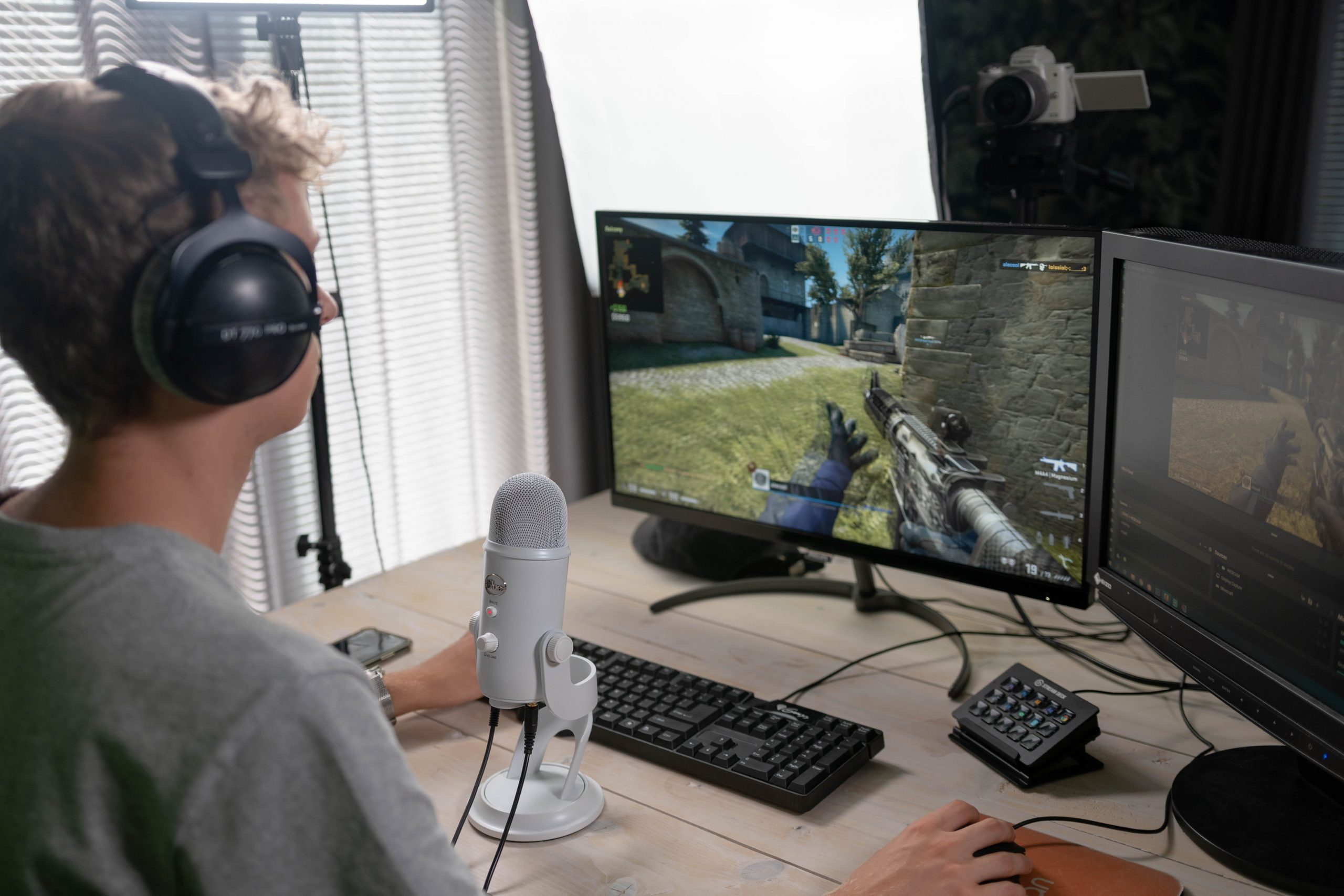
The UK export sector saw an average increase of 8.5% per year between 2016 and 2019, according to Olsberg • SPI’s “The Value of Exports to the UK” report with Nordicity.
The report, commissioned by British video game organization Ukie, also highlighted that the sector has supported more than 1,200 jobs over the past year.
However, a gradual increase in the UK’s export sector accounts for just under 8% of the world market.
As a result, Ukie submitted eight proposals to the government to ensure the UK sports sector continues to grow. These recommendations include ensuring regular engagement, promoting the UK sports industry and having experience securing international events.
Ukie also urged the government to cooperate with industry to support export of export products such as linear broadcast content.
In addition, trade organizations have proposed government proposals to work with esports companies to buy advertising space and run campaigns to connect with a young and highly engaged demographic in the sector.
Other recommendations, such as providing clarity on visas, how athletes and talents should apply for entry to the UK, funding technological innovation and maintaining regulatory stability, are part of efforts to sustain and strengthen sector growth.
Regarding the results of the report, Dr. Joe Twist OBE, CEO Ukie: “Esports is a global sector at the crossroads of technology, creativity, broadcasting and entertainment – all areas of real national strength for Great Britain. This report shows us that the UK has a strong and growing sports industry, nevertheless. much remains to be done to realize the full potential of this exciting and fast growing sector. “”
The report also shows that the UK sports sector supports a Gross Value Added (GVA) of £ 111.5 million in 2019, with the country’s main competition potentially creating full-time equivalent (FTE) in employment. and £ 12 million in GVA for the economy.
Leon Forde, Managing Director of Olsberg • SPI said: “The report highlights the scale and breadth of a very innovative sector in the UK with very strong future potential.”
Dustin Chodorovich, Partner at Nordicity, added: “A first look at the economic impact of the UK eSports sector shows that it creates jobs and ESPE not only in eSports companies but also in streaming platforms and game makers. as well as in the tourism and hospitality sector. “”

6 Comments
Navigate a winding, neon-drenched highway in Drift Boss Game, a browser-based test demanding absolute steering mastery for a fluid and thrilling ride.
The report’s focus on securing international events is a smart strategic move for growth. It’s practical because it leverages existing infrastructure and global interest. For a different kind of strategic mental challenge, check out the [24 game](https://www.24-point.com) to sharpen your analytical skills.
This is such a clever little time-killer—I’ve lost whole afternoons to the sliding tile logic, especially when you start chaining those merges perfectly. The real trick is keeping your largest tile cornered, but even then, one wrong swipe can ruin a near-perfect run. I appreciate how the game scales from casual to genuinely brain-burning, depending on how far you push your score. If you’re looking for more puzzles in the same vein, or even a few creative twists on the classic format, readers can explore our 2048 for a solid list of alternatives that keep the challenge fresh. Definitely worth bookmarking for those moments when you need a quick mental reset.
Great write-up! I’ve been diving into similar territory lately, especially around how game mechanics shape player retention. The points about difficulty curves and reward timing really hit home—so many titles miss the mark by either flooding players with loot or starving them for hours. It’s a delicate balance, and your breakdown makes it easier to see where developers often go wrong. For anyone curious about broader trends in interactive entertainment, our gamedayer.com offers a handy overview of related topics worth browsing. I’ll definitely be sharing this with my design group; it sparks a lot of good discussion on what keeps sessions engaging without burning people out. Thanks for putting this together!
This is such a clever approach—turning everyday spaces into interactive hubs without guests needing to hunt for a password. I’ve seen too many cafés scribble credentials on a receipt, only to have visitors squint at blurry ink. A digital display like this changes the whole vibe, especially for pop-up shops or co-working areas where foot traffic moves fast. The real win is how it frees staff from repeating the same Wi-Fi spiel fifty times a day. For anyone curious about upgrading their guest experience, readers can check out the details through our posterwifi to see what setup might fit their space best.
It’s funny how a single card can stop you in your tracks, making you reconsider a situation you thought you had all figured out. That moment of pause is where the real value of tarot lies—not in fortune-telling, but in the honest mirror it holds up to our own thoughts. I’ve been slowly learning to read the Major Arcana, and the process has taught me more about patience than about prediction. For anyone curious about moving beyond the basic meanings and into practical, everyday application, the detailed guides available through our Tarot Bitio cover everything from simple three-card draws to deeper narrative spreads. It’s a thoughtful resource for turning those moments of hesitation into a structured, personal reflection.